
What are candles made of?
What are candles made of? Read about stearin, paraffin, wax and wicks, and get help choosing the right candle for table settings, homes and events.
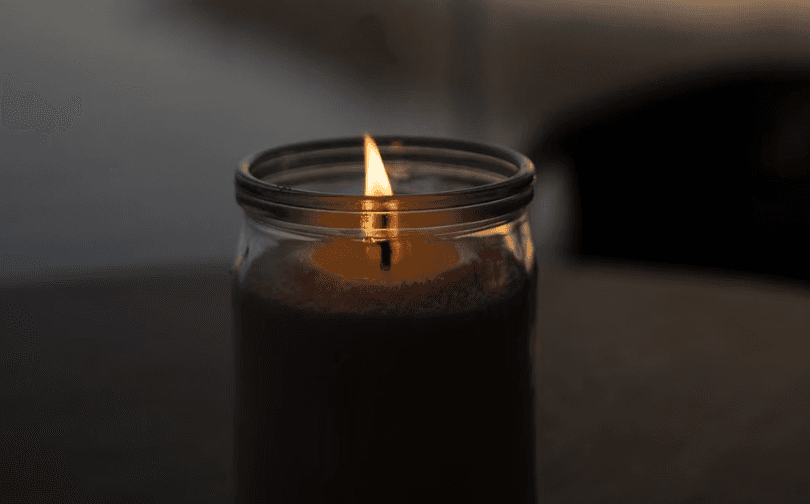
Candles are a regular part of many homes, restaurants, cafes, churches and events. They are used to create peace, warmth and atmosphere, but many people may not think about what candles are actually made of.
A candle basically consists of two things: a mass that can burn, and a wick that carries the flame. The mass can be made of stearin, paraffin, wax or a mixture of several materials. When the candle is lit, the material around the wick melts, and it is the melted mass that acts as fuel for the flame.
What does a candle consist of?
A classic candle consists of a candle mass and a wick. The candle mass is the material that makes up the candle itself. It can be stearin, paraffin, plant-based wax or other types of wax.
The wick sits in the middle of the candle and is typically made of braided cotton or another material that can absorb the melted candle mass. When the wick is lit, the flame heats the wax or stearin around the wick so that it melts and can burn.
It is therefore the interaction between wick, material and shape that determines how the candle burns.
What is stearin?
Stearin is a solid material that is often associated with classic quality candles. It is made from fatty acids that can come from animal or vegetable sources. Stearin has a solid structure and is often used for candles where a more classic and stable expression is desired.
Many people associate candles with white, simple candles for table settings, holidays and church settings. At Egelys you will find, among other things, dinner candles and pillar candles , which can be used for everyday use, decorations and special occasions.
What is paraffin?
Paraffin is another material that is often used for candles. It is a waxy mass that can be shaped into many different types of candles. Paraffin is used in some common candles, but also in products where burn time and uniform use are important.
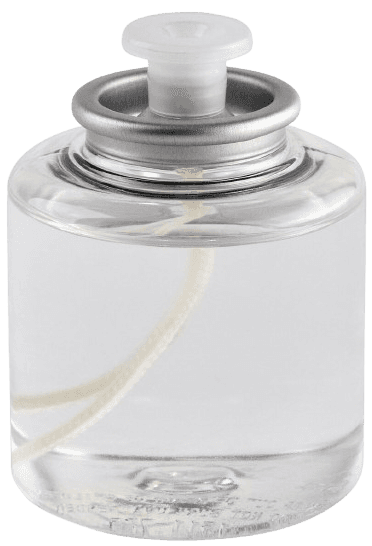
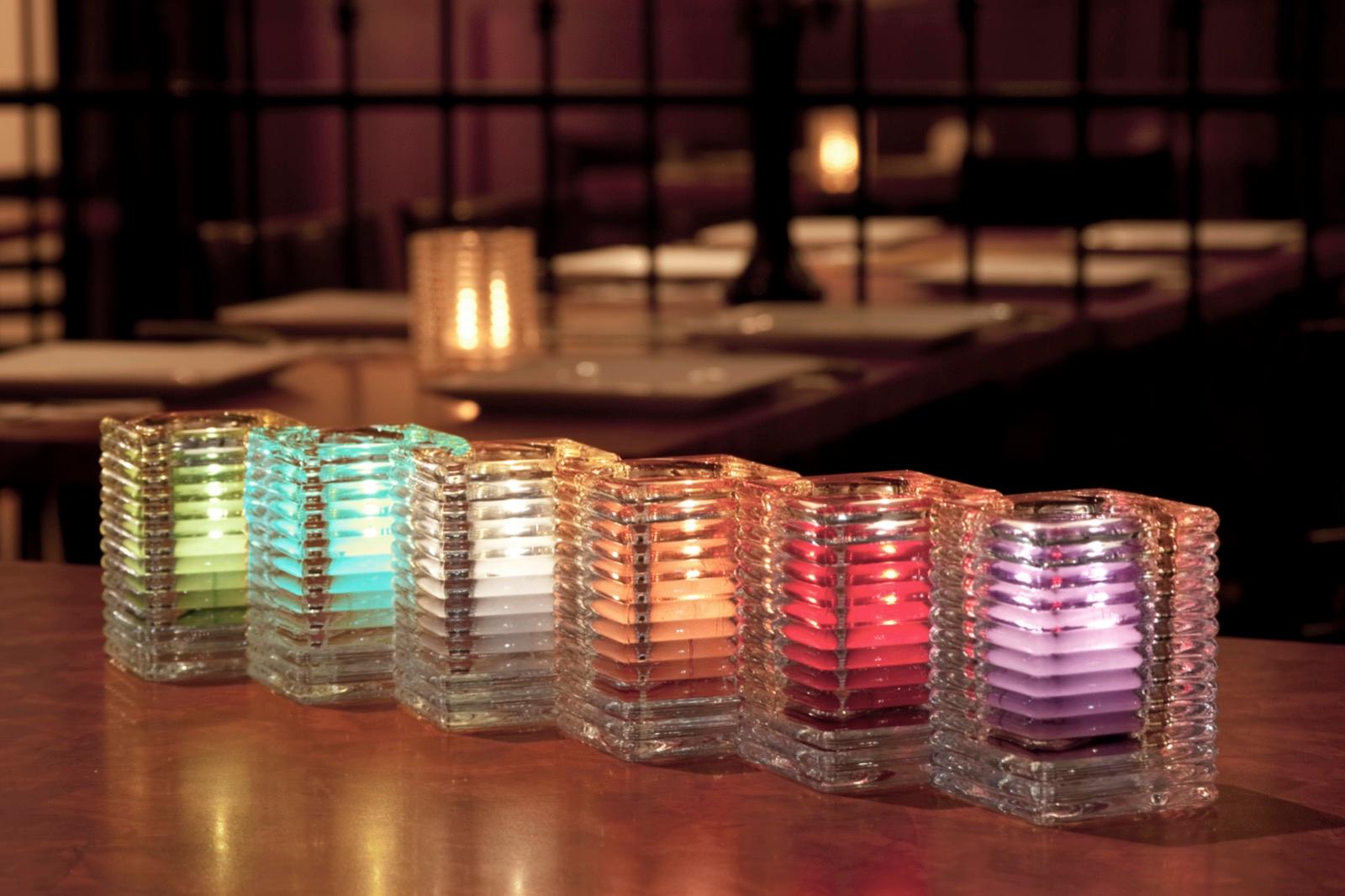
At Egelys, for example, there are oil candles that are relevant for restaurants, cafes, hotels, churches and events. The advantage here is that they are available with fixed burn times and are easy to use in candle holders or glasses.
What is the difference between stearin, wax and paraffin?
Stearin, wax and paraffin are often used interchangeably in everyday speech, but they are not exactly the same.
Stearin is a solid material based on fatty acids. Paraffin is a waxy mass that is used in many types of candles. Wax can be a broader term for materials that can melt and burn, such as plant wax, beeswax or other types of wax.
For the average user, the difference is mainly about how the candle looks, how it burns, what type of candle holder it fits, and how long it should be used.
What does the wick mean for the candle?
The wick is very important for how a candle burns. If the wick is a good match for the diameter and material of the candle, the candle will have a calm and even flame. If the wick is too long, the flame can become large and restless, and the candle can start to soot.
Therefore, it is a good idea to keep an eye on the wick when the candle is used. If it becomes too long, it can be cut down. A candle that burns with a calm flame gives both a nicer appearance and a better burn.
Are all candles made of pure stearin?
No, not all candles are made of pure stearin. Some candles are made of paraffin, some of wax, and others of a mixture of several materials. There are also candles with color, fragrance, surface treatment or decorative elements.
Therefore, it may be a good idea to read the product description if the material is important for the choice. For some purposes, the classic expression is most important. For other purposes, it is more about burn time, size or practical use.
What types of candles are there?
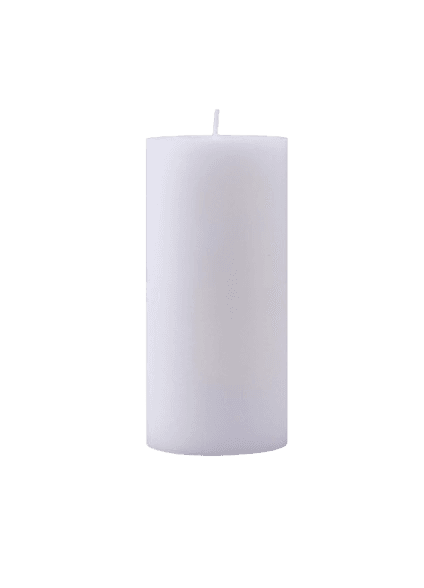
There are many different types of candles, and they suit different needs. Dinner candles are often used in classic candlesticks on dining tables, in restaurants, churches and at holidays. Pillar candles are good for larger decorations, dishes and displays where the light should take up more space.
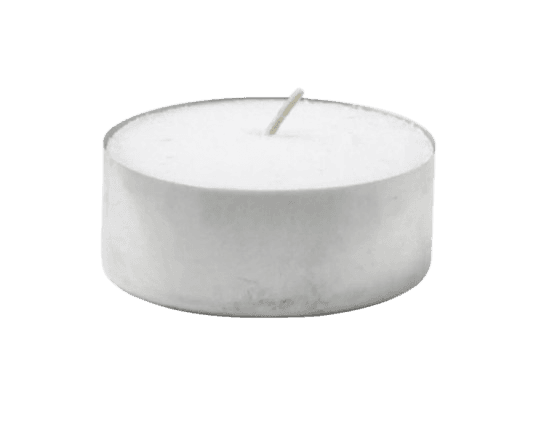
Tealight candles are small and flexible and are often used in glasses, lanterns and smaller candle holders. Sand candles are loose wax that is poured into a container and used with a wick.
How do you choose the right candle?
The right candle depends on where it will be used. For table setting, dinner candles are often a classic choice. For decorations, pillar candles or sand candles can be more flexible. For cafes, restaurants and events, oil candles can be practical because they are easy to replace and are available with different burning times.
It is also important to choose a candle holder that suits the candle. At Egelys you will find candlesticks that can be used to create a unified and stable expression.
Buy candles at Egelys
At Egelys you will find lighting for private homes, restaurants, cafés, churches and events. The range includes dinner candles , pillar candles , tealights , oil candles and sand candles.
When you know what candles are made of, it becomes easier to choose the type of candle that suits the purpose, mood, and practical use.
Frequently asked questions
What are candles made of?
Candles can be made of stearin, paraffin, wax or a mixture of several materials. They typically consist of a candle mass and a wick.
What is the wick in a candle made of?
The wick is often made of braided cotton or another material that can absorb the molten wax and lead it to the flame.
Are all candles made of pure stearin?
No, not all candles are made from pure stearin. Some are made from paraffin, wax or mixtures of different materials.
What is the difference between stearin and paraffin?
Stearin is based on fatty acids, while paraffin is a waxy mass. Both materials can be used for candles, but they have different properties and are used in different types of candles.
Which candle should I choose?
It depends on the purpose. Dinner candles are good for classic candlesticks, pillar candles for decorations, tea lights for small holders, oil candles for daily operation, and sand candles for flexible setups.